


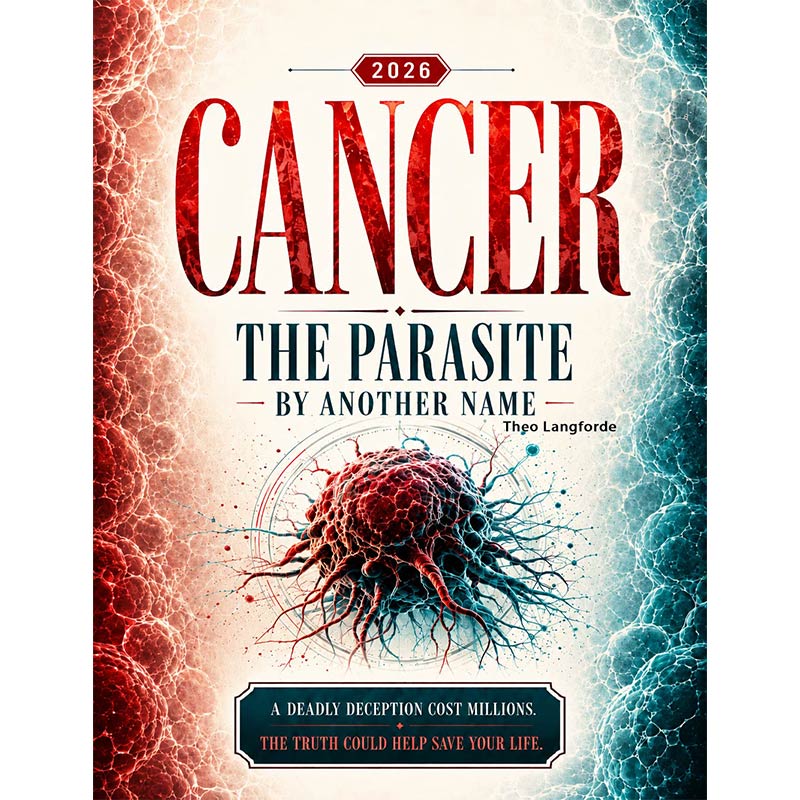
For anyone who has ever heard whispers of a parasite–cancer connection and wondered whether there was any truth to the theory. You've read fragments, perhaps seen the debate, and you want to know what the evidence actually shows—without the hype, without the fear, and without being told what to think. This book offers an investigative tour through the science, history, and controversy behind one of medicine's most provocative ideas.
Research suggests this suppression is rooted in immunology. Parasites are master manipulators of the host immune system. Some, particularly Taenia crassiceps and Mesocestoides corti, appear to increase the number of leukocytes involved in anti-tumor immunity, leading to significant reductions in tumor growth and metastasis . The prospect of bioactive tapeworm molecules helping to reduce the growth and spread of cancer is within the realm of future possibility .
This research is still in its early stages. The effect depends heavily on the specific organism, the infection stage, and the host's immune status. What is anti-tumorigenic in one context may be pro-tumorigenic in another. A parasite that stimulates a helpful Th1 immune response may be useful, while one that induces a chronic Th2 response could inadvertently support tumor immune evasion.
This book provides a cautious, scientifically grounded tour through this fascinating and often misunderstood area. It examines the historical evidence, the modern science, and the case reports to help you understand not just the promises, but also the significant challenges and risks. It is an exploration of a frontier, not a declaration of a cure. It will give you a deeper, more balanced understanding of a topic that is too often oversimplified. And it starts with the very first page you turn.